

Seeing, Touching, and Talking in the Real World
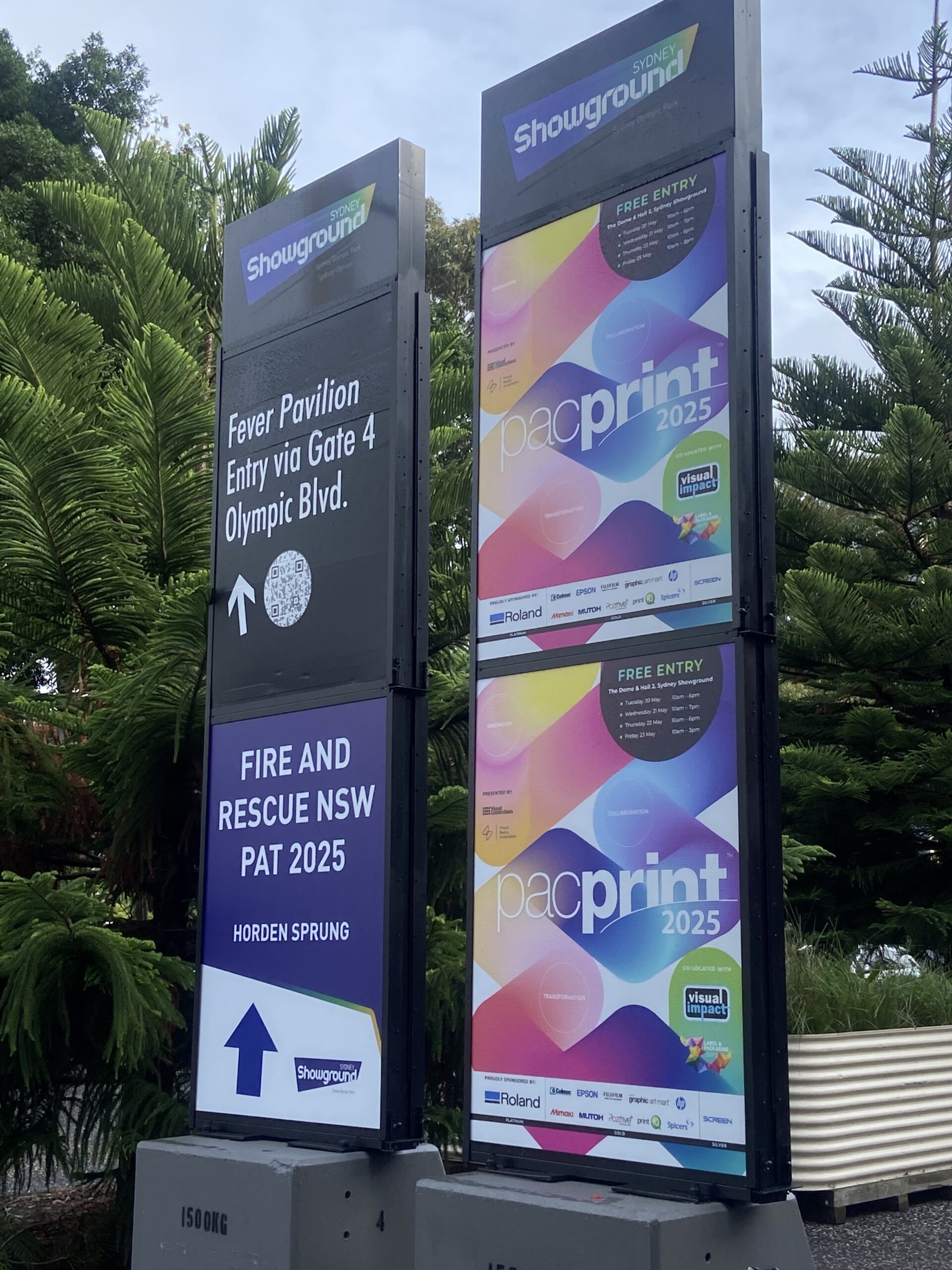
Last week, I had the chance to visit PacPrint 2025 in Sydney, one of the biggest print, signage, and visual communication exhibitions in the Southern Hemisphere. As someone who has worked with print media for years and often buys rolls, films, and materials online, this event felt much more meaningful than a regular trade show. It was a rare opportunity to step away from the screen, see machines in action, touch real samples, and speak directly with people who actually understand the technical side of printing.
Big Brands, Real Machines
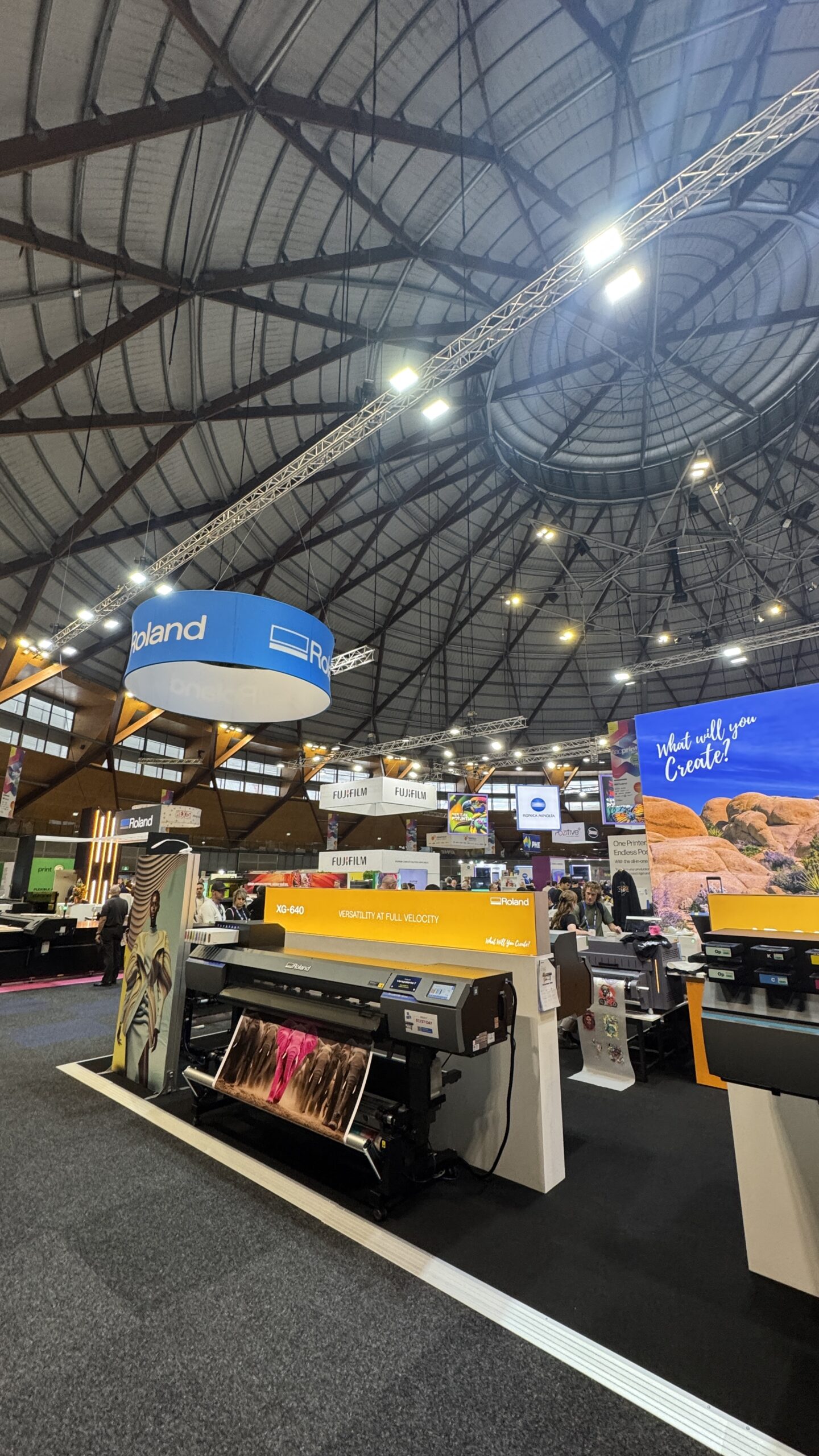
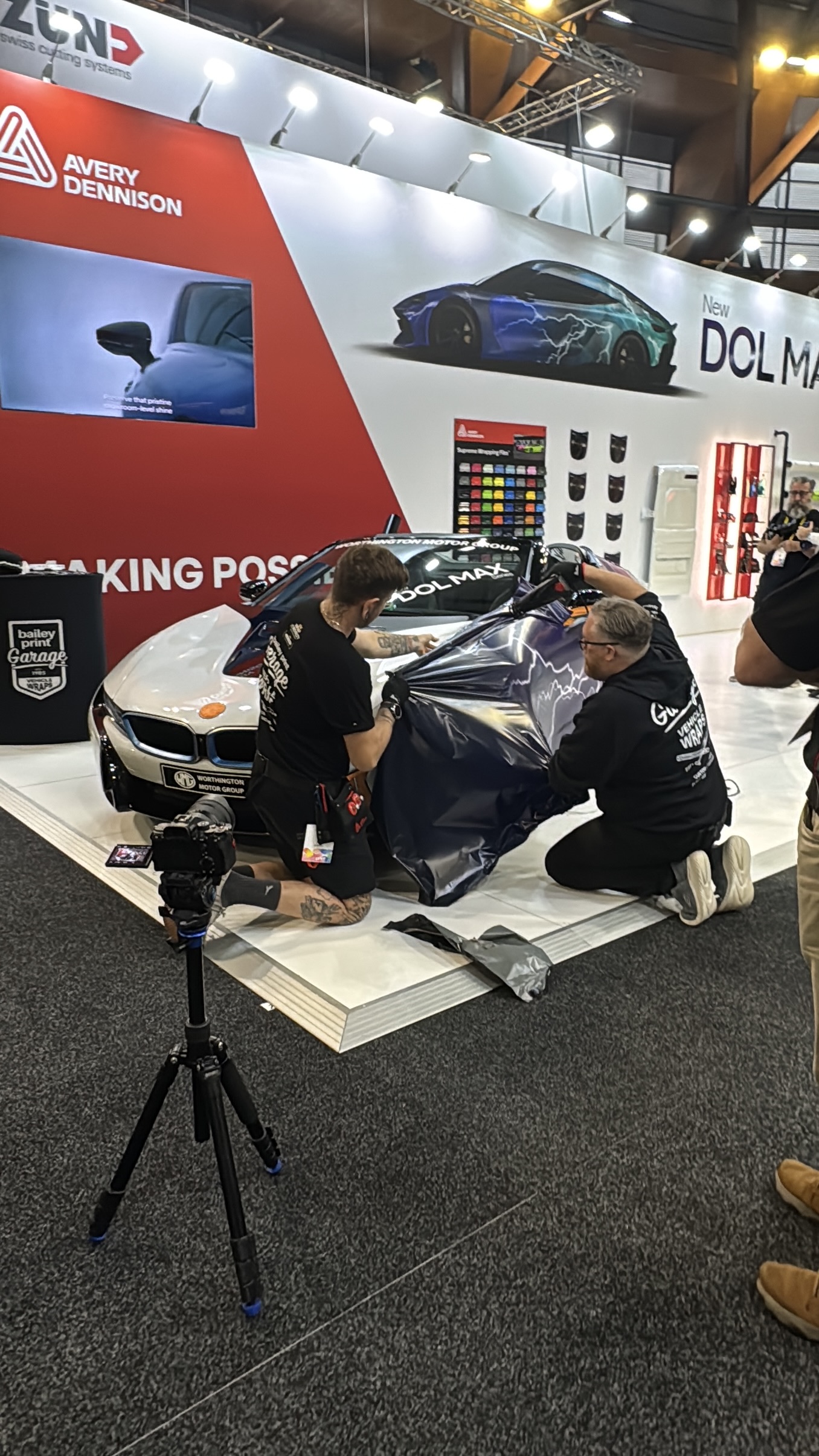
One of the most exciting parts of PacPrint was seeing major brands such as Roland, Epson, Canon, and HP up close. These are names I have seen many times online, but watching their latest machines operate in real life was a completely different experience. Epson’s new SureColor lineup showed impressive improvements in speed and colour consistency, while Roland’s UV printers really stood out with their sharp details, spot gloss effects, and textured finishes. Results that usually look impressive in promotional videos felt even more powerful when seen in person.
Faces Behind the Screens
Another highlight was meeting the people behind the online suppliers I regularly purchase from, including Graphic Art Supplies, Spicers, and Jetmark. Usually, these companies feel like websites, product pages, and delivery boxes. At PacPrint, they became real teams with real people. I was able to ask practical questions about media stock, product samples, delivery options, and which materials might work better for different jobs. These are the kinds of questions that can feel difficult to explain clearly over email, but face-to-face conversations made everything much easier.
DTF Printing and That Waterproof Fabric Problem
The most useful part of the visit for me was discussing DTF, or Direct to Film printing. Recently, I have been exploring DTF printing more seriously, and while the process has been exciting, I have also been facing one particular challenge: applying designs to waterproof or water-resistant fabrics. At the exhibition, I spoke with several experts and learned that this issue is not as simple as changing one setting. Different film types may not adhere well to materials like TPU or nylon, powder coating can affect flexibility and wash durability, and pressing temperature needs to be adjusted carefully depending on the fabric texture.
It felt surprisingly personal. I got to ask questions about media stock, logistics, and even tips on requesting better shipping options or samples — things I would’ve hesitated to do via email. Some of them even offered special PacPrint-only deals, which made the visit even more worthwhile.
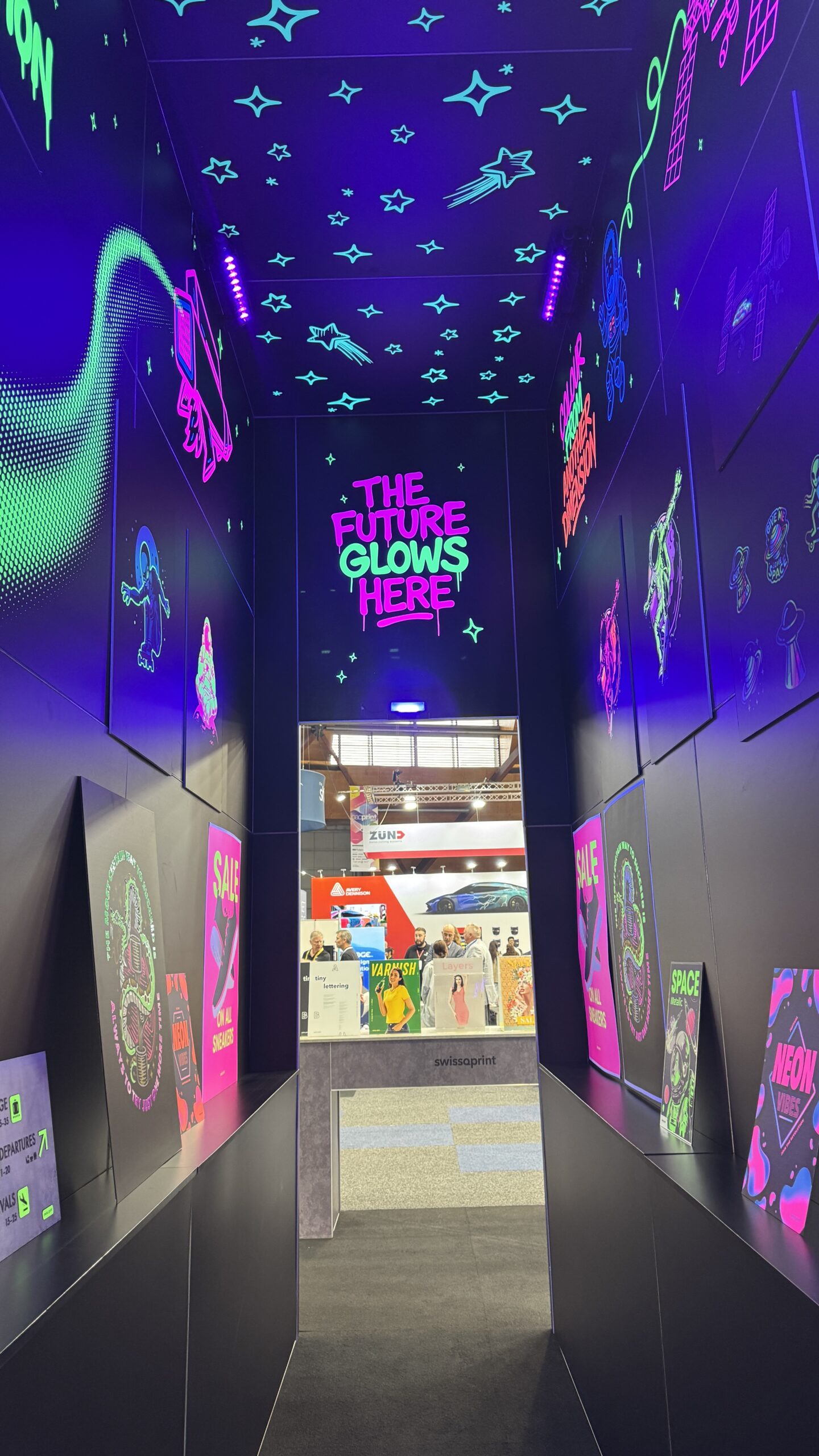
These were the kinds of details I had struggled to find in tutorials or blog posts. Online information is helpful, but sometimes it is too general. At PacPrint, I could explain my exact problem, show examples, and receive practical advice from people with real industry experience. That kind of conversation is hard to replace.
PacPrint 2025 reminded me that offline events still matter, especially in creative and technical industries. It was not just about seeing new machines or collecting brochures. It was about connection, confidence, and learning through real experience. I left feeling more inspired, more informed, and more excited about the future of print technology, signage, textile customization, and material innovation.
For anyone working in design, printing, signage, packaging, or custom apparel, PacPrint is definitely worth visiting. It gives you a chance to see what is possible, ask better questions, compare products in real life, and reconnect with the industry beyond the screen.